Culture & heritage
When you pitch a tent beneath ancient trees or hike a trail carved by generations before you, you’re doing more than camping—you’re stepping into living history. Every camping destination carries stories, traditions, and cultural significance that transform a simple outdoor getaway into a profound connection with human heritage. Understanding the cultural landscape enriches not just what you see, but how deeply you experience it.
The world’s most remarkable camping locations are rarely just beautiful landscapes. They’re often sacred sites, traditional gathering grounds, or routes walked for thousands of years. From indigenous fire circles to heritage pilgrimage paths, cultural awareness opens dimensions of meaning that purely recreational camping cannot touch. This article explores how cultural heritage and camping intertwine, offering you the knowledge to travel more thoughtfully and experience more deeply.
Why Cultural Heritage Transforms Your Camping Journey
Many campers focus solely on gear lists and weather forecasts, missing the invisible dimension that makes certain places feel truly special. Cultural heritage provides context that turns scenery into story, transforming your relationship with the land itself.
Connecting With the Land’s Story
Every landscape has witnessed human presence—celebrations, struggles, daily life, and sacred ceremonies. When you camp at a site with cultural significance, you’re joining a continuum of human experience stretching back centuries or millennia. Understanding that the meadow where you cook breakfast once hosted seasonal gatherings, or that the ridge you summit follows an ancient trade route, fundamentally changes your perception. These insights create emotional resonance that purely aesthetic appreciation cannot achieve.
Building Meaningful Travel Memories
Travelers consistently report that their most memorable experiences involve cultural connection rather than simply ticking off scenic viewpoints. Learning about traditional plant uses from indigenous guides, participating respectfully in local festivals, or camping along heritage trails creates narratives you’ll recount for years. Cultural context provides the framework that transforms scattered camping trips into a coherent journey of discovery and cross-cultural understanding.
Indigenous Practices: Ancient Camping Wisdom
Indigenous peoples worldwide developed sophisticated camping practices over thousands of years, perfectly adapted to their environments. These traditional techniques offer modern campers practical skills and philosophical approaches that commercial gear cannot replace.
Fire Management and Leave-No-Trace Principles
Long before « Leave No Trace » became an official doctrine, indigenous communities practiced sophisticated environmental stewardship. Traditional fire management involved understanding which woods burn cleanly, how to build fires that minimize scarring, and crucially, how fire itself can benefit ecosystems when used properly. Many indigenous groups practiced controlled burns to prevent destructive wildfires and encourage new growth—a practice modern land management increasingly recognizes as essential. Learning these ancestral techniques teaches respect for fire as both tool and element requiring wisdom.
Shelter Building With Natural Materials
Before synthetic tents, human ingenuity created remarkable shelters from available materials—bark, branches, animal skins, snow, and stone. Studying traditional structures like the tipi, wickiup, quinzhee, or lean-to reveals principles of thermal efficiency, wind resistance, and rapid construction that inform even modern camping. Many wilderness survival courses now teach these indigenous techniques, recognizing their effectiveness and the deeper understanding they provide of how humans can harmonize with rather than dominate natural environments.
Sacred Sites and Heritage Trail Destinations
Some of the world’s most spectacular camping destinations carry profound cultural or spiritual significance. Recognizing these places as sacred sites rather than merely scenic backdrops requires education and sensitivity, but rewards campers with experiences of genuine depth.
Heritage trails often follow routes used for trade, migration, or pilgrimage across centuries. Walking the Camino de Santiago in Europe, the Appalachian Trail’s sections that follow indigenous paths, or tracks through Australia’s outback means literally following in ancestral footsteps. Many camping areas near ancient ruins, rock art sites, or ceremonial grounds require special permits or restrictions—not as bureaucratic obstacles, but as necessary protection for irreplaceable cultural treasures. Researching the cultural significance of your destination before arrival demonstrates respect and often reveals access to guided experiences or cultural programs that dramatically enrich your visit.
When camping near sacred sites, remember that what appears to be wilderness to you may be someone’s cathedral. Restrictions on camping in certain areas, prohibitions on photography, or requests to stay on marked paths protect both physical sites and living spiritual traditions. The most rewarding cultural camping experiences come from humility—recognizing you’re a guest in places that hold meanings you may never fully grasp, but can certainly honor.
Respecting and Preserving Local Cultural Traditions
Cultural heritage isn’t merely historical—it’s living, evolving, and requires active preservation. How you camp can either support or damage these cultural traditions, making your choices matter beyond your immediate experience.
Pre-Trip Cultural Research and Preparation
Invest time before departure to understand the cultural context of your destination. Who are the indigenous or traditional peoples of this region? What cultural protocols should visitors observe? Are there local festivals, sacred seasons, or cultural sensitivities to respect? Many regions offer cultural orientation resources through tourism boards or indigenous organizations. This research prevents unintentional disrespect and often reveals opportunities to support cultural preservation through ethical tourism, such as indigenous-guided tours, cultural centers, or traditional craft purchases that directly benefit communities.
Engaging Respectfully With Local Communities
When camping near cultural communities, remember you’re entering someone’s homeland, not a theme park. Seek permission before photographing people, ceremonies, or sacred sites. Support local economies by purchasing supplies from community businesses rather than arriving entirely self-sufficient. If cultural experiences are offered—traditional storytelling, craft demonstrations, or guided heritage walks—participate with genuine interest rather than extractive tourism mentality. Many indigenous communities now operate cultural camping programs that allow visitors to experience traditional lifeways firsthand while ensuring cultural knowledge stays within the community’s control and benefits them economically.
The principle underlying all cultural respect is simple: these places and practices aren’t yours to consume, but opportunities to learn, appreciate, and support. Approach cultural heritage camping with the understanding that you’re enriching your life through others’ generosity in sharing their traditions. That gratitude should manifest in how you behave, what you support financially, and how you represent these experiences afterward. Responsible camping means leaving cultural heritage not just undamaged, but ideally strengthened through your respectful engagement and support.
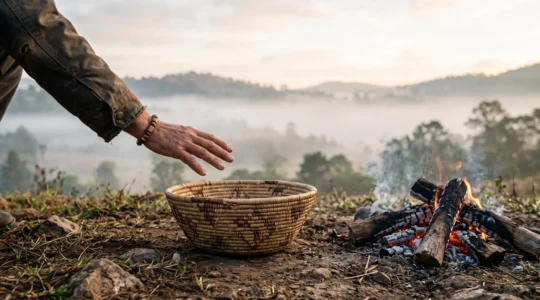
How to Engage with Indigenous Heritage Respectfully During Travel?
True respectful engagement with Indigenous cultures is not a checklist of behaviours, but a fundamental shift in perspective from a tourist’s right-to-access to a guest’s privilege-to-be-invited. Engagement must be grounded in an understanding of Indigenous sovereignty and the right to…
Lire la suite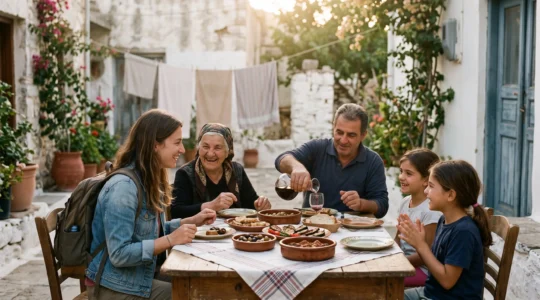
How to Find Homestays That Unlock True Local Integration
Genuine cultural immersion comes not from where you stay, but from mastering *how* you cohabit with locals. Living with locals exposes you to the daily routines and unspoken values that hotels and tourist zones structurally filter out. Success depends on…
Lire la suite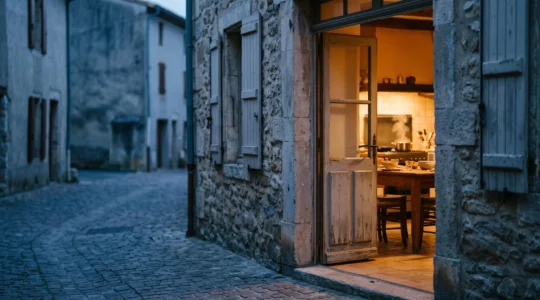
How to Access Authentic Home Cooking Experiences While Traveling Abroad?
Most travellers believe finding authentic home cooking abroad is about discovering the right app or secret website. The reality is far more profound. True culinary immersion is not a transaction; it’s the result of shifting your mindset from a tourist…
Lire la suite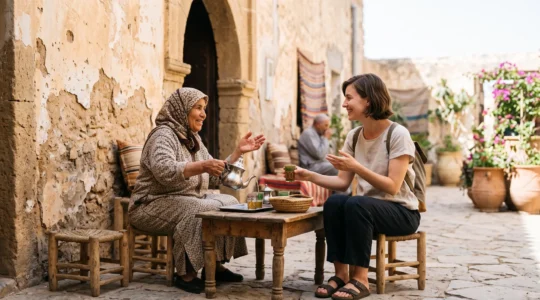
How to Move Beyond Tourist Experiences to Genuine Cultural Heritage Immersion?
Genuine cultural immersion isn’t about avoiding « tourist traps »; it’s achieved by fundamentally re-engineering your trip’s structure to prioritise time and embeddedness over checklists. Standard hotel-based, short-duration travel creates a bubble that isolates you from the very cultural texture you seek…
Lire la suite