Types of travel
Travel is far from one-size-fits-all. The way you choose to explore the world shapes every aspect of your journey, from the destinations you select to the memories you create. Understanding the different types of travel available helps you align your trips with your personality, budget, available time, and what you hope to gain from the experience.
Whether you’re drawn to adrenaline-pumping adventures, peaceful cultural immersion, or something in between, recognizing these travel categories empowers you to make informed decisions. This comprehensive overview explores the main travel types based on experience, budget, social dynamics, and pace, giving you the foundation to craft journeys that truly resonate with who you are.
Understanding Travel Categories
Travel classifications exist along multiple dimensions, and recognizing these helps clarify what kind of experience you’re seeking. Think of travel types not as rigid boxes, but as overlapping spectrums that can be mixed and matched to create your perfect journey.
The most common ways to categorize travel include the type of experience you seek (adventure, relaxation, cultural enrichment), the budget level you’re working with, the social dynamic (traveling alone or with others), and the pace and duration of your trip. A single journey might combine elements from several categories. For instance, you could embark on a budget solo adventure trip with a slow travel pace, or enjoy a luxury family cultural tour with carefully planned itineraries.
Understanding these classifications helps you communicate your preferences to travel companions, search for appropriate resources and accommodations, and set realistic expectations. Rather than limiting your options, recognizing these categories expands your awareness of what’s possible and helps you discover travel styles you might not have previously considered.
Experience-Based Travel Types
The core experience you seek fundamentally defines your travel type. These categories reflect what you want to do, see, and feel during your journey.
Adventure and Active Travel
Adventure travel prioritizes physical activity, outdoor exploration, and often an element of challenge or risk. This category includes activities like hiking, mountaineering, kayaking, cycling tours, and wildlife safaris. Adventure travelers typically seek destinations with dramatic natural landscapes and opportunities for adrenaline-inducing experiences. The appeal lies in pushing personal boundaries, connecting with nature, and achieving goals that require physical effort. Popular adventure destinations range from trekking routes in Nepal to mountain biking trails in New Zealand.
Leisure and Relaxation Travel
At the opposite end of the spectrum, leisure travel emphasizes rest, rejuvenation, and stress relief. This includes beach vacations, spa retreats, resort stays, and cruise experiences. Travelers in this category prioritize comfort, convenience, and the opportunity to disconnect from daily responsibilities. The pace is deliberately slow, with activities like reading by the pool, enjoying spa treatments, or simply soaking in beautiful surroundings. This travel type appeals particularly to those recovering from burnout or seeking quality downtime.
Cultural and Heritage Travel
Cultural travel focuses on understanding and experiencing local traditions, history, art, and ways of life. This includes visiting museums and historical sites, attending festivals, taking cooking classes, learning local crafts, or staying with local families. Cultural travelers value authentic interactions and educational experiences over purely recreational activities. This type of travel requires curiosity, respect for different customs, and often some research preparation to fully appreciate what you’re experiencing.
Eco-Tourism and Sustainable Travel
Eco-tourism prioritizes environmental conservation and positive impact on local communities. Travelers in this category choose accommodations and tour operators with strong sustainability practices, participate in conservation projects, and make conscious decisions to minimize their environmental footprint. This might involve staying in eco-lodges, supporting locally-owned businesses, choosing overland transport instead of flights when feasible, or participating in wildlife conservation programs. Sustainable travel appeals to those who want their journeys to contribute positively to the places they visit.
Budget and Comfort Levels
Your financial resources and comfort preferences significantly influence your travel style and the experiences available to you.
Budget Travel and Backpacking
Budget travel maximizes experiences while minimizing expenses. This category includes backpacking, staying in hostels or budget guesthouses, using public transportation, preparing your own meals, and seeking free or low-cost activities. Budget travelers often have more flexibility with time and are willing to sacrifice certain comforts for longer or more frequent trips. The backpacking subculture has developed its own community, infrastructure, and social norms, particularly popular among younger travelers and gap year participants. Annual budget estimates for backpackers can range from $10,000 to $20,000 for a full year of travel, depending on destinations.
Mid-Range Travel
Mid-range travel balances cost-consciousness with comfort. Travelers in this category might stay in private hotel rooms or vacation rentals, occasionally splurge on special experiences, mix self-catering with dining out, and use a combination of budget airlines and more comfortable transport options. This approach offers more predictability and comfort than budget travel while remaining accessible to travelers with moderate incomes. It’s the most common travel style for working professionals taking annual vacations.
Luxury and Premium Travel
Luxury travel prioritizes exceptional comfort, exclusive experiences, and personalized service. This includes five-star hotels, private tours, first-class transportation, fine dining, and access to experiences not available to general tourists. Luxury travelers value convenience, privacy, and quality over cost savings. This category includes boutique experiences, private villas, chartered transportation, and concierge services that handle all logistics. Luxury travel appeals to those who want to maximize comfort and minimize planning stress, or who are celebrating special occasions.
Social Dynamics and Travel Companions
Who you travel with profoundly affects your experience, pace, decision-making process, and the types of activities you pursue.
Solo Travel
Solo travel means exploring independently, making all decisions yourself, and being entirely responsible for your itinerary, safety, and entertainment. Solo travelers report increased self-confidence, freedom to follow their interests without compromise, and easier opportunities to connect with locals and other travelers. However, it also means managing loneliness, handling all logistics alone, and sometimes paying single supplements. Solo travel has grown significantly in popularity, particularly among women, with specialized tours and accommodations catering to this demographic.
Couple and Romantic Travel
Couple travel emphasizes shared experiences and often includes romantic elements like special dinners, scenic locations, and relaxation time together. Couples must navigate compromise and joint decision-making, but benefit from shared costs, built-in companionship, and creating memories together. This category includes honeymoons, anniversary trips, and relationship-strengthening getaways.
Family Travel
Family travel involves coordinating the needs and interests of multiple generations, often including children. This requires selecting family-friendly accommodations, planning age-appropriate activities, managing different energy levels and attention spans, and prioritizing safety. Successful family travel creates lasting bonds and educational experiences for children, though it demands more planning and patience than other travel types.
Group Travel
Group travel includes organized tours, friend trips, or traveling with an existing community. Groups benefit from shared costs, built-in social interaction, safety in numbers, and the ability to access group discounts or experiences. However, group dynamics require compromise, coordinated schedules, and managing different personalities and preferences. Organized group tours remove planning burden but reduce flexibility and spontaneity.
Pace and Duration Considerations
How quickly you move and how long you travel create distinctly different experiences, even in the same destinations.
Slow travel emphasizes depth over breadth, spending weeks or months in a single location to truly understand it. Slow travelers often rent apartments, establish routines, frequent local markets, and build relationships with residents. This approach reduces travel fatigue, environmental impact, and costs while increasing cultural understanding. It’s particularly popular with digital nomads and retirees with flexible schedules.
Conversely, fast-paced travel maximizes the number of destinations and experiences within limited time. This includes whirlwind tours hitting multiple cities in days, packed itineraries, and efficient logistics. While covering more ground, this approach can be exhausting and superficial. It appeals to travelers with limited vacation time who want broad exposure to a region.
Weekend getaways and short breaks typically last two to four days, focusing on nearby destinations or specific experiences. These mini-trips offer regular rejuvenation without requiring extensive time off work. Extended trips and long-term travel, lasting months or years, allow for slower paces, deeper immersion, and the opportunity to follow interests as they develop. Career breaks, sabbaticals, and retirement travel often fall into this category.
Choosing Your Ideal Travel Type
Selecting the right travel type starts with honest self-assessment. Consider these key questions:
- What energizes you: activity and stimulation, or rest and tranquility?
- How much planning and structure do you prefer versus spontaneity?
- What’s your realistic budget, including hidden costs?
- How comfortable are you with uncertainty and stepping outside your comfort zone?
- What do you want to gain from this trip: skills, relaxation, connections, or adventure?
Remember that your ideal travel type may evolve over time and vary by trip. A stressful work period might call for relaxation travel, while personal milestones might inspire adventure. Many experienced travelers intentionally vary their travel types to maintain freshness and address different needs.
Don’t hesitate to experiment with unfamiliar travel styles. Solo travelers might discover they enjoy the occasional group tour for specific destinations. Budget travelers might find that splurging on one luxury experience enhances their trip. The beauty of understanding these categories is recognizing that you can consciously design each journey to match your current needs, resources, and aspirations.
Understanding the diverse types of travel available transforms you from a passive tourist into an intentional explorer. Each category offers unique rewards and challenges, and no single type is superior to another. The key is matching your travel style to your personality, circumstances, and goals for each specific journey. As you gain experience, you’ll develop a clearer sense of what resonates with you, allowing you to craft increasingly meaningful adventures that align with who you are and what you value.
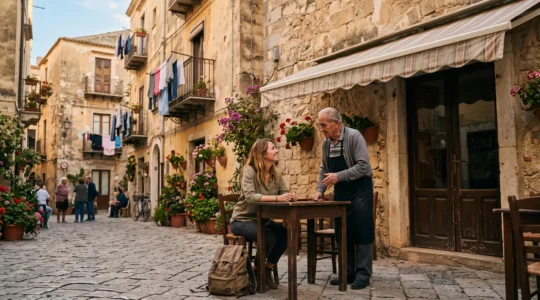
How to Plan a 3-Month Stay Abroad That Delivers Deep Cultural Integration
A three-month stay offers profound cultural immersion, but only if you shift from a tourist’s frantic schedule to a temporary resident’s steady rhythm. Legal planning around the post-Brexit 90/180 rule is non-negotiable for UK citizens to avoid significant penalties. Anchoring…
Lire la suite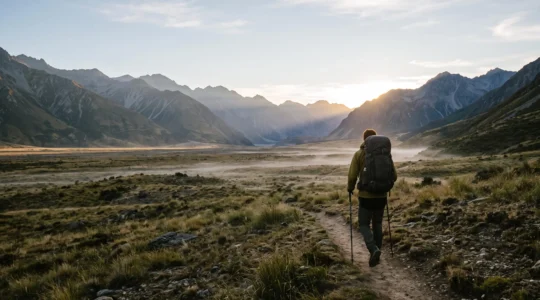
How to Organize a 4-Week Long-Distance Trekking Expedition Without Logistical Failure?
Physical fitness won’t get you through a 4-week trek; a project manager’s mindset will. Success hinges on de-risking three primary logistical failure points: psychological burnout, a flawed nutritional supply chain, and permit denials. Transitioning from week-long UK hikes to multi-week…
Lire la suite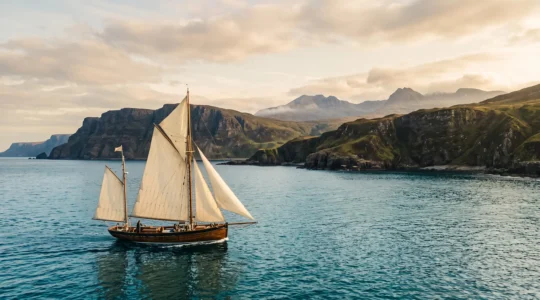
How to Plan Your First UK Coastal Sailing or Island-Hopping Trip?
The secret to a successful UK boat trip for a beginner isn’t choosing destinations, but mastering the sea’s natural rhythms like tides and weather. Opting for a skippered charter removes the need for a sailing licence and provides expert local…
Lire la suite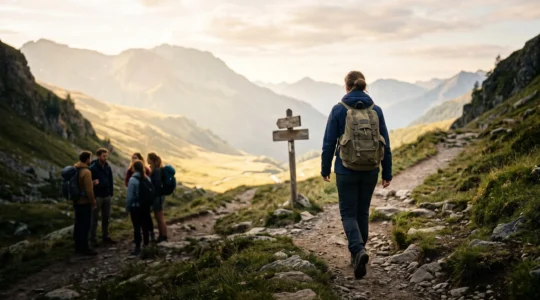
How to Transition from Group Hiking to Confident Solo Adventures Safely?
Many assume the leap to solo hiking is about physical fitness or buying more gear. The reality is that true solo confidence comes from mastering a psychological shift: transitioning from a shared group consciousness to complete self-reliance. This guide isn’t…
Lire la suite
How to Design a 7-Day Hiking Trip That Covers Maximum Highlights Without Rushing
The secret to a rewarding seven-day hiking trip is not covering more miles, but minimising the hidden time and energy costs of logistical friction. Over-scheduling and decision fatigue, not physical effort, are the primary sources of post-trip exhaustion. An itinerary’s…
Lire la suite
How to Plan Family Hiking Trips That Keep Both Toddlers and Teens Engaged?
In summary: Shift your mindset from managing logistics to designing a shared family experience for every age group. Transform walks into « adventure quests » with narrative framing to engage younger children and prevent meltdowns. Build a lasting outdoor habit through short,…
Lire la suite