Outdoor activities
Stepping into nature offers more than just fresh air and scenic views. Outdoor activities represent a fundamental way humans connect with the natural world, combining physical exercise, mental rejuvenation, and the thrill of exploration. Whether you’re drawn to the rhythmic pace of a forest trail, the rush of descending a mountain on two wheels, or the tranquility of paddling across a glassy lake, these pursuits share a common thread: they pull us away from screens and concrete, inviting us to rediscover what our bodies and minds were designed to do.
The beauty of outdoor recreation lies in its accessibility and diversity. You don’t need to be an elite athlete or invest thousands in equipment to begin. From a simple afternoon nature walk to multi-day wilderness expeditions, the spectrum accommodates every fitness level, budget, and comfort zone. This comprehensive resource will walk you through the essential knowledge needed to engage safely and confidently with outdoor activities, covering everything from choosing the right pursuit to understanding the profound benefits these experiences offer.
What Are the Main Types of Outdoor Activities?
The outdoor recreation landscape encompasses an impressive variety of pursuits, each offering unique experiences and challenges. Understanding these categories helps you identify activities that align with your interests, physical capabilities, and available resources.
Land-Based Activities
Hiking remains the most accessible entry point for outdoor enthusiasts, requiring minimal equipment beyond sturdy footwear and appropriate clothing. Trails range from gentle nature walks suitable for families to challenging alpine routes demanding technical navigation skills. Similarly, trail running takes the hiking concept and adds cardiovascular intensity, transforming forest paths into natural gyms where terrain variation provides constant challenge.
Cycling in its outdoor forms—mountain biking, gravel riding, and bikepacking—combines mechanical advantage with human power to cover greater distances. Mountain biking particularly appeals to those seeking adrenaline, with downhill sections offering controlled thrills while climbs build remarkable cardiovascular endurance. Rock climbing and bouldering represent the technical end of land activities, where problem-solving merges with physical strength and mental focus.
Water-Based Activities
Aquatic pursuits open entirely different dimensions of outdoor recreation. Kayaking and canoeing offer serene ways to explore waterways inaccessible by foot, from meandering rivers to coastal shorelines. These paddling sports develop upper body strength while providing unique wildlife viewing opportunities—many paddlers report closer animal encounters than land-based hikers ever experience.
Stand-up paddleboarding has surged in popularity due to its gentler learning curve and full-body workout potential. Swimming in natural settings, whether lakes, rivers, or ocean waters, reconnects us with an element that covers most of our planet yet remains foreign to many modern lifestyles. For those seeking intensity, white-water rafting delivers teamwork-based excitement through navigating rapids and currents.
Winter and Seasonal Activities
Cold weather shouldn’t halt outdoor engagement. Snowshoeing provides winter hiking access, distributing body weight across snow-covered terrain. Cross-country skiing combines cardiovascular exercise with technical skill, often cited as one of the most complete full-body workouts available. Downhill skiing and snowboarding offer gravity-assisted thrills, while winter camping attracts those seeking solitude in landscapes transformed by snow and ice.
Essential Gear and Equipment Preparation
Proper equipment forms the foundation of safe, enjoyable outdoor experiences. The key lies not in acquiring the most expensive gear, but in understanding what each activity truly requires and investing strategically in items that enhance safety and comfort.
Start with the layering system for clothing: a moisture-wicking base layer, an insulating mid-layer, and a weather-protective outer shell. This trio adapts to changing conditions far better than single heavy garments. Cotton fabrics should be avoided for active pursuits—the saying « cotton kills » reflects how this material retains moisture and loses insulating properties when wet, potentially leading to dangerous heat loss.
Footwear deserves particular attention, as it directly impacts both performance and injury prevention. Breaking in hiking boots before extended trips prevents blisters that can transform enjoyable outings into painful ordeals. For technical activities like climbing or cycling, specialized footwear becomes essential rather than optional.
Navigation tools have evolved, but redundancy remains critical. While GPS devices and smartphone apps offer convenience, they depend on batteries and electronic reliability. Carrying a physical map and compass—and knowing how to use them—provides backup when technology fails. Many experienced outdoor enthusiasts report at least one situation where traditional navigation tools saved their trip or even their safety.
The essential gear checklist varies by activity but typically includes:
- Appropriate footwear for terrain and conditions
- Layered clothing system adapted to weather forecasts
- Navigation tools (map, compass, GPS device)
- First aid supplies and emergency shelter
- Sufficient water and water purification method
- Nutrition adequate for activity duration and intensity
- Illumination (headlamp with extra batteries)
- Sun protection (sunscreen, sunglasses, hat)
How Do You Stay Safe During Outdoor Activities?
Safety in outdoor environments demands proactive planning rather than reactive problem-solving. The wilderness offers limited rescue resources, making prevention your primary protection strategy.
Pre-Trip Planning and Communication
Always inform someone reliable about your plans, including specific location, intended route, and expected return time. This simple step creates a safety net—if you fail to return as scheduled, someone knows where to direct search efforts. Leave detailed information rather than vague descriptions; « hiking in the national park » provides far less useful information than « following the Ridge Trail from the western trailhead, planning to summit Eagle Peak, returning via the Loop Trail, estimated return by 6 PM. »
Weather awareness goes beyond checking the forecast the morning of your trip. Understanding how weather patterns affect your specific location helps you interpret changing conditions. Mountain weather, for instance, can shift dramatically within hours, with afternoon thunderstorms developing rapidly during certain seasons.
On-Trail Safety Practices
The pace and timing strategy prevents many outdoor emergencies. Starting early allows completing challenging sections during optimal conditions and provides buffer time for unexpected delays. The « turnaround time » concept—establishing a specific time to begin your return regardless of whether you’ve reached your goal—prevents the summit-fever mentality that leads many into dangerous situations.
Wildlife encounters require specific protocols varying by species and region. Generally, making noise while traveling prevents surprising animals, while maintaining distance respects their space and your safety. Bear safety, for example, involves proper food storage, awareness of signs of activity, and knowing appropriate responses to different encounter types.
Hydration and nutrition deserve consistent attention rather than waiting until you feel thirsty or hungry. By the time thirst registers, dehydration has already begun affecting physical performance and decision-making. Similarly, maintaining steady energy intake prevents the fatigue and poor judgment that accompany depleted glucose levels.
What Are the Physical and Mental Health Benefits?
The benefits of outdoor activities extend far beyond the immediate physical workout, influencing multiple dimensions of wellbeing in ways that indoor exercise struggles to replicate.
Cardiovascular improvements from regular outdoor activity are well-documented, with hiking, cycling, and paddling all elevating heart rate sustainably. What distinguishes outdoor exercise is the variable terrain that constantly challenges different muscle groups and movement patterns. Unlike treadmills or stationary bikes, natural environments demand continuous adaptation—navigating roots and rocks, adjusting to grade changes, balancing on uneven surfaces—creating more comprehensive physical development.
Mental health benefits have gained increasing research attention. Time in natural settings measurably reduces cortisol levels, the hormone associated with stress. Many practitioners describe outdoor activities as « moving meditation, » where the rhythm of footsteps or paddle strokes combined with natural surroundings quiets mental chatter more effectively than forced relaxation attempts. Studies examining nature exposure consistently show improvements in mood, reduced anxiety, and enhanced cognitive function.
The concept of « green exercise »—physical activity in natural environments—demonstrates benefits exceeding those of the same exercise performed indoors. Researchers theorize this stems from multiple factors: the cognitive relief of natural patterns compared to urban stimuli, the air quality improvements in vegetated areas, and perhaps evolutionary predispositions toward natural settings.
Social connections formed through outdoor activities often prove particularly meaningful. Shared challenges—whether reaching a summit together, navigating a difficult rapid, or simply enduring unexpected weather—create bonds that transcend typical social interactions. Outdoor clubs and groups provide community for those who might otherwise recreate alone, adding safety benefits alongside social ones.
Planning Your Outdoor Adventures Successfully
Effective planning transforms outdoor activities from stressful uncertainties into confident explorations. The process need not be overwhelming; systematic preparation addresses the key variables that determine experience quality.
Begin by honestly assessing your current fitness level and technical skills. Ambition should be balanced with realism—pushing boundaries facilitates growth, but exceeding capabilities by wide margins invites injury or dangerous situations. Gradual progression builds both competence and confidence. If you’re new to hiking, start with well-maintained trails of modest distance and elevation gain, then incrementally increase difficulty as your abilities develop.
Seasonal timing dramatically affects both safety and enjoyment. Many locations experience distinct high seasons when conditions optimize for specific activities, alongside shoulder seasons offering fewer crowds but more variable weather. Researching these patterns for your chosen destination prevents arriving during unsuitable conditions. For instance, some alpine trails remain snow-covered well into summer, while desert activities become uncomfortable or dangerous during peak heat months.
Permit and regulation research protects you from legal issues and supports conservation efforts. Many popular outdoor areas now require advance permits to manage visitor impacts and ensure resource protection. Understanding and following Leave No Trace principles—planning ahead, staying on trails, disposing of waste properly, respecting wildlife—preserves these spaces for future users while minimizing your environmental footprint.
The progression from day trips to overnight adventures opens new possibilities but requires additional skills and equipment. Backcountry camping demands understanding of campsite selection, food storage, water treatment, and navigation. Many find that building these competencies through guided trips or courses accelerates learning while providing safety oversight during the skill-acquisition phase.
Whether you’re drawn to the meditative rhythm of a long-distance trail, the technical challenge of ascending rock faces, or the peaceful glide of a kayak through morning mist, outdoor activities offer accessible pathways to physical health, mental clarity, and meaningful connection with the natural world. Start with activities matching your current abilities, invest in learning proper safety practices, and allow your skills and confidence to grow organically through consistent experience.
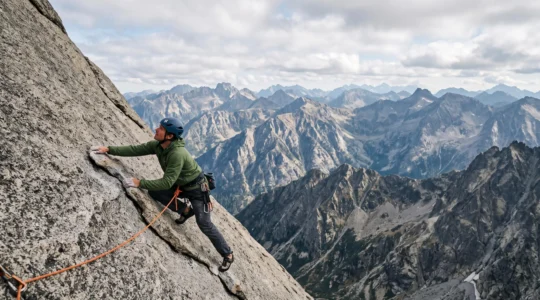
How to Learn Rock Climbing Skills for Ascending Technical Mountain Routes?
The biggest risk for scramblers moving to climbing isn’t the steepness of the rock, but the dangerous illusion that it’s simply ‘harder scrambling’. True competence lies in mastering safety systems, not just developing physical strength. Formal training is non-negotiable to…
Lire la suite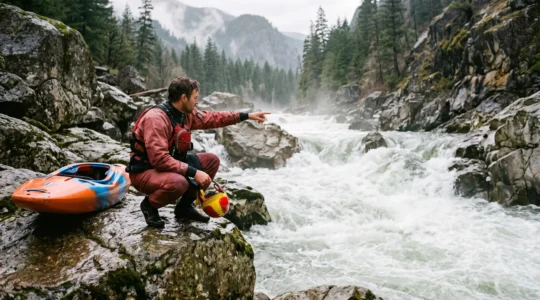
How to Read Rapid Rivers Safely Before Attempting Whitewater Kayaking?
In summary: Moving from lake to river kayaking is a psychological challenge as much as a technical one; fear often overrides skill. Effective river reading involves a systematic process of scouting from the bank to identify Obstacles, Markers, and Swimmer…
Lire la suite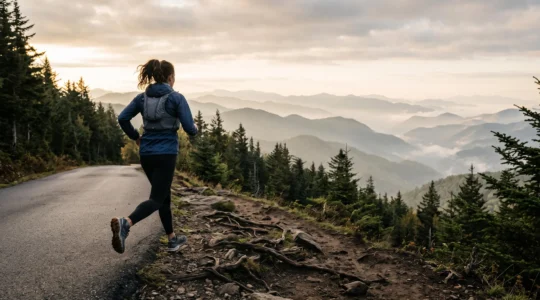
How to Transition from Road Running to Trail Running Without Injury?
For a road runner, moving to trails isn’t about a lack of fitness; it’s a challenge of translation. Your highly efficient road engine struggles because trails demand a different physical language—one based on adaptive footwork, eccentric muscle control for descents,…
Lire la suite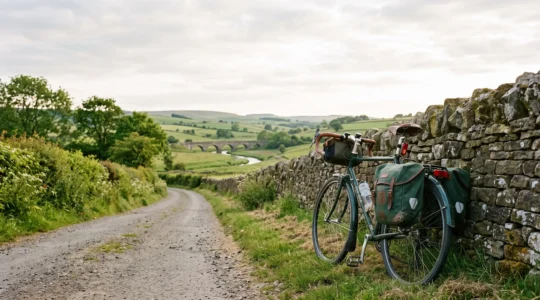
How to Plan Relaxed Multi-Day Cycle Tours Across the UK Without Racing Pressure?
The secret to a truly memorable UK cycle tour isn’t covering more miles, but experiencing more within each mile by deliberately slowing down. Shorter daily distances (around 30 miles) transform a physical challenge into a rich journey of discovery. Planning…
Lire la suite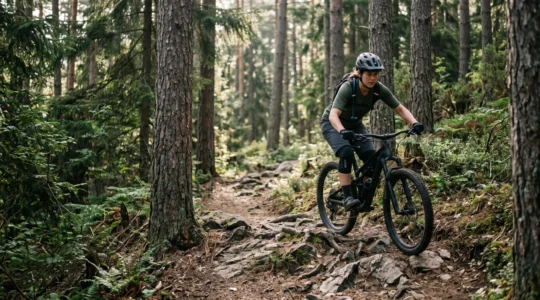
How to Ride Technical Singletracks Without Constant Fear of Crashing?
In summary: Your bike’s cross-country setup might be optimized for climbing efficiency, but it actively works against you on steep, technical descents, increasing crash risk. Fear isn’t a weakness; it’s a physiological response to a perceived lack of control. Mastering…
Lire la suite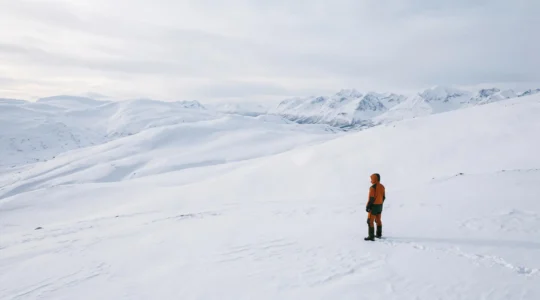
How to Cross Open Powder Fields Without Sinking or Triggering Avalanches?
Contrary to intuition, the most alluring, seemingly gentle powder fields are often the most dangerous avalanche traps for recreational hikers and photographers. The visual appeal of a landscape has no correlation with its safety; many fatal avalanches occur on slopes…
Lire la suite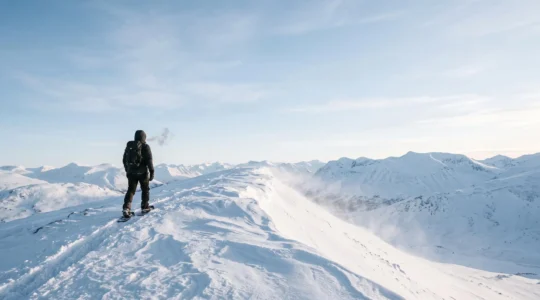
How to Snowshoe Safely in Sub-Zero Temperatures Without Frostbite Risk?
Contrary to popular belief, safe sub-zero snowshoeing isn’t about following a simple checklist of « what » to pack. True survival depends on mastering the « why »—understanding the physics of cold, anticipating how standard gear catastrophically fails, and recognizing the irreversible chain reaction…
Lire la suite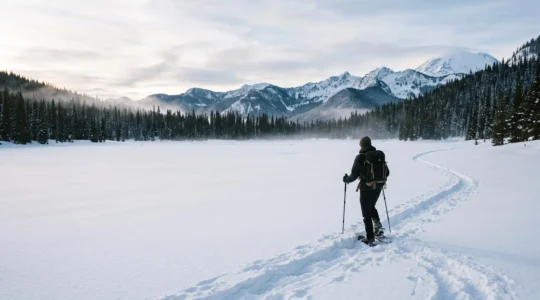
How to Start Snowshoeing as a Winter Alternative to Hiking?
For the passionate UK hiker grounded by snow, snowshoeing isn’t just ‘winter walking’—it’s the key to unlocking 90% more of the landscape by mastering the physics of the snow itself. Effective snow travel relies on flotation to save energy, not…
Lire la suite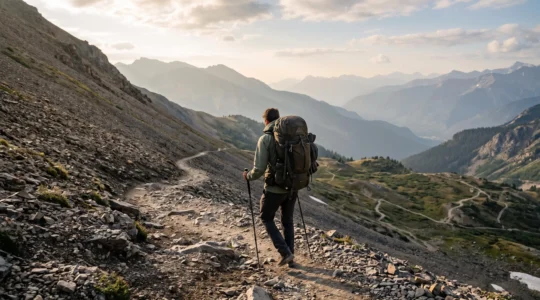
How to Train Your Body for Hikes with 1,000m+ Elevation Gain in a Single Day
That burning in your thighs on steep ascents isn’t a sign you’re unfit; it’s a sign your training isn’t specific enough. Conquering major elevation gain requires more than just general cardio. This guide provides a focused physiological approach, teaching you…
Lire la suite