Travel destinations
Choosing where to travel can feel overwhelming when faced with endless possibilities. From sun-drenched coastlines to alpine peaks, from bustling cities to untouched wilderness, each destination offers a unique experience that shapes your journey. Understanding the landscape of travel destinations—their characteristics, seasonal rhythms, and what makes them suitable for different travelers—transforms this overwhelming choice into an exciting opportunity for discovery.
The right destination isn’t simply about beautiful scenery or popular attractions. It’s about alignment between what a place offers and what you seek from your adventure. Whether you’re planning a weekend camping escape or an extended exploration, the destination you choose influences everything from your packing list to your budget, from the activities available to the memories you’ll create. This comprehensive exploration will equip you with the knowledge to evaluate destinations confidently and make choices that enhance your travel experiences.
Understanding Different Types of Travel Destinations
Travel destinations exist along a spectrum, each category offering distinct experiences, challenges, and rewards. Recognizing these fundamental types helps you narrow your options and identify places that match your interests and comfort level.
Natural Landscapes and Coastal Destinations
Coastal and beach destinations remain perennially popular for their accessibility and variety. These locations range from developed resort areas with full amenities to secluded coves accessible only by foot. Think of the difference between a family-friendly beach with lifeguards, restrooms, and nearby camping facilities versus a remote shoreline where you’ll need to be completely self-sufficient. Coastal destinations often provide opportunities for water sports, wildlife observation, and the therapeutic benefits of ocean environments. Temperature variations can be significant—tropical coastlines maintain warmth year-round, while temperate beaches offer seasonal appeal with cooler off-season periods that attract fewer crowds.
Mountain and Alpine Environments
Mountain destinations present an entirely different character. Elevation changes dramatically affect temperature, weather patterns, and physical demands on travelers. A destination at 6,000 feet elevation requires different preparation than one at sea level—thinner air, rapid weather changes, and cooler temperatures even in summer months. Alpine regions typically offer hiking, climbing, and winter sports, with camping opportunities ranging from established campgrounds in valleys to backcountry sites requiring permits and wilderness skills. These destinations reward visitors with spectacular vistas, unique ecosystems, and a sense of remoteness even in relatively accessible areas.
Remote Wilderness and Backcountry Areas
Wilderness destinations represent the far end of the accessibility spectrum. These locations, often designated as protected areas, deliberately limit development to preserve natural conditions. Access may require multi-day hikes, boat transportation, or specialized vehicles. The appeal lies in genuine solitude, pristine environments, and the challenge of self-reliance. These destinations demand advanced outdoor skills, thorough preparation, and respect for Leave No Trace principles. They’re not suitable for everyone, but for those properly prepared, they offer unmatched opportunities for connection with nature.
How to Choose the Perfect Destination for Your Journey
Selecting a destination involves balancing multiple factors against your personal circumstances, interests, and capabilities. Rather than chasing trending locations, thoughtful travelers consider how well a destination aligns with their specific situation.
Start by honestly assessing your experience level and physical capabilities. A destination that challenges you appropriately creates satisfaction, while one that exceeds your abilities creates frustration or danger. If you’re relatively new to camping, destinations with established infrastructure—marked trails, developed campgrounds, and nearby services—provide security while you build skills. Experienced travelers might seek destinations that test their abilities or offer solitude.
Consider your travel companions and their needs. Destinations perfect for solo adventurers may not suit families with young children. Accessibility requirements, age-appropriate activities, and safety considerations shift dramatically based on your group composition. A beach destination with calm waters and shallow entry points serves families differently than one with strong currents and limited supervision.
Time availability shapes destination choice significantly. Weekend trips limit you to locations within reasonable driving distance, while extended vacations open possibilities for distant destinations. Factor in not just travel time but also adjustment periods—high-altitude destinations may require acclimatization days, while destinations in different time zones affect your effective vacation duration.
Your primary interests should guide the selection process. Are you seeking:
- Physical challenges and adventure activities
- Wildlife observation and photography opportunities
- Cultural experiences and historical sites
- Relaxation and disconnection from daily routines
- Social interaction and meeting fellow travelers
Different destinations excel in different areas. Matching your priorities to destination strengths ensures satisfaction.
Essential Planning Considerations
Once you’ve identified potential destinations, practical planning considerations help you evaluate feasibility and prepare appropriately. These factors often determine whether a trip succeeds or disappoints.
Climate and Weather Patterns
Seasonal weather dramatically affects destination suitability. Mediterranean climates offer mild, dry summers but wet winters. Continental climates feature temperature extremes between seasons. Tropical regions may have distinct wet and dry seasons that transform accessibility and comfort. Research typical weather patterns for your intended travel dates, but also understand variability—a destination known for sunny summers still experiences occasional storms. Check historical weather data rather than relying solely on general descriptions. A location advertised as having « 300 days of sunshine » still has 65 days without it, and those might cluster during the period you plan to visit.
Budget and Cost Factors
Destination costs extend beyond obvious expenses. While camping generally costs less than hotels, destination choice significantly impacts overall budget. Consider transportation costs—distant destinations require more fuel or expensive flights. Popular destinations often charge premium prices for permits, camping fees, and supplies. Remote locations may require specialized equipment purchases or rentals. Conversely, some stunning destinations offer remarkably affordable experiences if you’re willing to be self-sufficient. Calculate total costs including:
- Transportation to and from the destination
- Permits, entrance fees, and camping reservations
- Food and supplies (which may cost more in remote areas)
- Equipment needs specific to the destination
- Emergency contingency funds
Accessibility and Infrastructure
Understanding what infrastructure exists—or doesn’t—at your destination prevents unpleasant surprises. Some destinations offer developed campgrounds with amenities like potable water, restrooms, and trash facilities. Others provide only designated camping areas with no services. Know whether you’ll have cell phone coverage, how far you are from emergency services, and what supplies are available nearby versus what you must bring. Road conditions matter tremendously—some destinations require high-clearance vehicles or four-wheel drive, making them inaccessible in standard vehicles.
Seasonal Timing and Its Impact
When you visit often matters as much as where you visit. The same destination can offer radically different experiences depending on the season, and understanding these variations helps you choose optimal timing or prepare for challenging conditions.
Peak seasons bring crowds, higher prices, and advance reservation requirements, but they coincide with peak seasons for good reasons—optimal weather, full service availability, and vibrant natural conditions. Shoulder seasons (the periods just before and after peak times) often provide ideal compromises: decent weather, fewer crowds, and lower costs. However, some facilities may operate on reduced schedules or close entirely.
Off-season travel offers solitude and significant cost savings but requires understanding what you’re sacrificing. Some destinations become genuinely inhospitable—extreme temperatures, closed facilities, or hazardous conditions. Others simply become quieter and require more self-sufficiency. Research thoroughly rather than assuming off-season simply means « fewer people with the same experience. »
Wildlife viewing, fall foliage, wildflower blooms, and other natural phenomena follow predictable but variable schedules. If witnessing specific natural events motivates your trip, research typical timing but build flexibility into your plans. A late spring might delay wildflower peaks by weeks, while an early winter could cut autumn foliage season short.
Traveling Responsibly and Sustainably
Modern travelers increasingly recognize that destination choice carries environmental and social implications. Responsible destination selection considers not just what a place offers you, but how your visit affects the location and its communities.
Overtourism damages popular destinations, degrading the very qualities that attracted visitors initially. Consider whether your desired destination struggles with overcrowding and whether alternative locations might offer similar experiences with less impact. Distributing visitor pressure across multiple worthy destinations rather than concentrating it on a few famous locations benefits everyone.
Research whether destinations have sustainable tourism practices in place—permit systems that limit daily visitors, fees that fund conservation, or guidelines that protect sensitive areas. Supporting these systems, even when they create inconvenience, helps preserve destinations for future travelers. Some locations request or require specific behaviors: staying on designated trails, camping only in established sites, or visiting during specific seasons to protect wildlife breeding areas.
Consider the economic impact of your visit. In some destinations, tourism dollars support local communities and fund conservation efforts. In others, most economic benefits flow to distant corporations while local communities bear the environmental and social costs. Destinations where your spending directly supports local people and conservation efforts deserve consideration.
The carbon footprint of reaching destinations varies enormously. Nearby destinations accessed by ground transportation generate far less environmental impact than those requiring long flights. While this shouldn’t eliminate distant travel entirely, incorporating closer destinations into your rotation balances wanderlust with environmental responsibility.
Choosing travel destinations is ultimately a deeply personal process that balances dreams with practicalities, ambitions with abilities, and desires with responsibilities. Armed with understanding of destination types, selection criteria, practical considerations, and timing factors, you’re equipped to make informed choices that lead to rewarding experiences. Each destination offers lessons and memories, and the process of thoughtful selection itself deepens your engagement with the places you’ll explore.
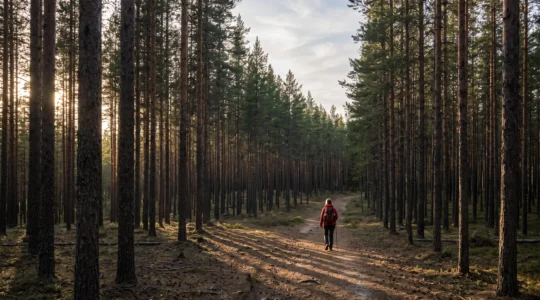
What Makes Boreal Forest Hiking Different from Temperate Woodland Walks?
The key difference isn’t the scenery; it’s the radical shift in risk and self-reliance that demands new, non-intuitive safety protocols for UK hikers. Familiar UK wildlife savvy is irrelevant; in boreal forests, unassuming animals like moose pose a greater statistical…
Lire la suite