Transport & travel agencies
Planning a camping adventure involves more than just choosing a destination and packing your tent. The journey to your campsite and the coordination of countless details can make or break your outdoor experience. This is where the intersection of transportation options and travel agency services becomes crucial for both novice campers and seasoned adventurers.
Whether you’re planning a weekend getaway to a nearby national park or an ambitious multi-week expedition across continents, understanding how to leverage travel agencies and navigate your transport options will save you time, money, and stress. This comprehensive resource explores the essential elements that connect you with nature: the vehicles, services, and professionals that turn camping dreams into reality.
From specialized adventure agencies to traditional booking platforms, from renting RVs to coordinating gear transport, the landscape of travel services has evolved to meet the unique needs of outdoor enthusiasts. Let’s explore how to make informed decisions that align with your camping style and budget.
What Makes Travel Agencies Valuable for Camping Trips?
Think of a travel agency as your personal camping concierge, someone who knows the shortcuts through the maze of permits, reservations, and logistics. While the internet has made DIY trip planning accessible, agencies bring something irreplaceable: specialized knowledge and time-saving expertise.
Travel agencies excel at connecting disparate elements of your journey. They can coordinate ferry bookings to island campsites, arrange permits for protected wilderness areas, and secure last-minute campground reservations during peak season. For international camping trips, they navigate visa requirements, insurance policies, and local regulations that might take you weeks to research independently.
The value proposition becomes particularly clear for complex itineraries. Imagine planning a camping road trip through multiple regions with different climate zones, each requiring specific gear and permits. An experienced agent can anticipate challenges you haven’t considered, such as seasonal road closures or equipment rental availability. They also maintain relationships with local outfitters, often securing better rates or priority access during busy periods.
Beyond logistics, agencies provide a safety net. When flights get canceled or weather forces route changes, having a professional advocate working on your behalf transforms potential disasters into minor inconveniences. This peace of mind carries particular weight when traveling with families or managing group expeditions.
Understanding Your Transportation Options
The vehicle you choose shapes your entire camping experience, influencing where you can go, what you can bring, and how comfortable you’ll be along the way. Each transportation mode offers distinct advantages and trade-offs worth considering carefully.
Road Travel and Vehicle Rentals
Road travel remains the most flexible option for campers, offering spontaneity and cargo capacity that other modes cannot match. Standard car rentals work well for campgrounds with established infrastructure, while SUVs and trucks handle rougher access roads and carry bulkier equipment like coolers, tents, and camping furniture.
Recreational vehicles (RVs) and campervans represent the premium road option, combining transportation and accommodation into one package. These range from basic converted vans to luxury motorhomes with full kitchens and bathrooms. Rental companies increasingly cater to the camping market, offering pre-equipped vehicles with bedding, cookware, and outdoor gear included. The trade-off? Higher daily costs and fuel consumption, plus restrictions on narrow mountain roads or primitive camping areas.
Air and Rail Connections
Flying to your camping destination makes sense for distant locations where driving would consume too much vacation time. Many outdoor destinations now feature airports within an hour’s drive of major trailheads and campgrounds. The challenge lies in managing gear: airlines impose weight limits and fees that make bringing extensive equipment expensive.
Rail travel offers a middle ground, particularly in regions with robust train networks. You can often bring more luggage than on flights, enjoy scenic routes, and arrive relaxed rather than road-weary. Some train services even offer bike and equipment transport, perfect for cycle-camping adventures. The limitation is geographic coverage, as rail networks rarely extend into remote wilderness areas.
Specialized Transport Services
Shuttle services, water taxis, and charter vehicles fill the gaps left by conventional transportation. If you’re planning a one-way hiking route with camping along the trail, shuttle services can position your vehicle at the endpoint or return you to your starting point. Coastal and island camping often requires water taxis or ferry services, sometimes operated by or bookable through travel agencies specializing in outdoor adventures.
Types of Travel Agencies Serving Outdoor Enthusiasts
Not all travel agencies are created equal, especially when camping and outdoor recreation are involved. Understanding the agency landscape helps you find the right partner for your specific needs.
General Travel Agencies
Traditional full-service agencies handle all types of travel, from beach resorts to business trips. While they can certainly book campground reservations and rental cars, their expertise typically lies elsewhere. These agencies work best for hybrid trips combining camping with other activities, like touring cities before heading into nature, where their broad knowledge base adds value.
Specialized Adventure and Camping Agencies
These focused operators live and breathe outdoor travel. Their agents often have personal camping experience in the regions they book, offering insider recommendations on everything from the best campsites for families to which trails flood during certain seasons. They maintain relationships with outdoor outfitters, guides, and park services that general agencies lack.
Specialized agencies excel at complex camping itineraries: multi-country overland expeditions, combination camping and wildlife safaris, or trips requiring technical permits and specialized equipment. They can arrange gear rental, pre-trip equipment delivery to your campsite, and even coordinate food drops for extended backcountry expeditions.
Online Booking Platforms
Digital platforms have revolutionized camping trip planning, offering instant access to campground availability, reviews, and pricing. These tools empower independent planning but come with limitations. Algorithms cannot replace human judgment about whether a campsite suits your experience level or if weather patterns might affect your chosen dates. Many campers find success using online platforms for research while consulting agencies for booking and coordination.
When Should You Use a Travel Agency?
The DIY versus agency decision hinges on several factors: trip complexity, your available time, experience level, and personal preferences. Simple weekend trips to familiar campgrounds rarely justify agency fees. However, certain scenarios make professional assistance invaluable.
Consider using an agency when planning international camping trips, where language barriers, unfamiliar permit systems, and complex logistics create significant hurdles. First-time campers also benefit from agency guidance, as agents can recommend appropriate difficulty levels and help avoid common beginner mistakes like underestimating travel distances or choosing unsuitable equipment.
Group travel particularly benefits from agency coordination. Managing transportation, accommodations, and activities for multiple families or friends involves countless details and potential conflicts. Agencies serve as neutral organizers, handle deposits and payments, and troubleshoot issues without personal relationships getting strained.
Time-constrained travelers gain tremendous value from agencies. If your vacation days are precious and limited, paying someone else to handle research, bookings, and logistics means you can focus on preparation and anticipation rather than administrative tasks. Think of it this way: an agency fee might equal one dinner out, but the time saved could be spent on a training hike or quality time with travel companions.
Managing Logistics: Getting Your Equipment to Camp
Transportation doesn’t end with moving people; your camping gear needs to arrive intact and on schedule. This challenge grows with trip distance and equipment volume, requiring strategic planning.
For road trips, the solution is straightforward: pack everything in your vehicle. The art lies in organization and weight distribution. Roof boxes expand capacity but increase fuel consumption and wind resistance. Trailer hitches enable cargo carriers or small trailers, though rental agreements often restrict towing or charge additional fees.
Air travelers face tougher choices. Some committed campers ship equipment ahead to hotels or outfitters near their destination, then rent or retrieve it upon arrival. This approach works well for bulky items like coolers or camp chairs that would incur substantial airline baggage fees. Travel agencies with local partnerships can often arrange equipment storage and retrieval, transforming a logistical nightmare into a seamless experience.
Equipment rental at your destination eliminates transport hassles entirely. Many camping regions support robust rental ecosystems offering everything from basic tent packages to complete backcountry setups with sleeping bags, cookware, and even food. Quality varies widely, so agencies familiar with local outfitters provide valuable guidance about which rental companies maintain their gear properly.
Budgeting for Transport and Agency Services
Understanding the cost structure of transportation and agency services helps you make informed trade-offs and avoid budget surprises. Transportation typically represents the largest single expense in camping trips, sometimes exceeding accommodation and food costs combined.
Agency fees vary by service level. Some agencies charge flat consulting fees, others earn commissions from bookings, and many combine both models. Expect to pay more for specialized outdoor agencies than general travel services, reflecting their niche expertise. However, their industry connections often secure discounts on rentals, permits, or group bookings that offset their fees.
Transportation costs depend heavily on mode and timing. Last-minute vehicle rentals during peak season can cost double the early-bird rates. Flights to outdoor destinations often spike during ideal weather windows. Rail passes purchased in advance deliver significant savings compared to individual tickets. These variables make early planning financially rewarding, whether booking independently or through an agency.
Hidden costs deserve attention: insurance coverage for rental vehicles, fuel expenses, parking fees at trailheads, ferry charges, and airport transfers all add up quickly. A comprehensive budget includes these elements rather than treating them as afterthoughts. Experienced agencies help you anticipate these expenses, providing realistic total cost estimates rather than just highlighting the campground nightly rate.
Smart campers balance cost against value and convenience. The cheapest option isn’t always the best choice if it adds stress, limits flexibility, or compromises safety. Similarly, premium services make sense when they solve specific problems or enable experiences that budget alternatives cannot match. Your perfect balance point depends on your priorities, experience, and what makes camping most enjoyable for you.

How to Adopt Low-Carbon Mobility for Both Local Commuting and Holiday Travel?
The key to slashing your travel footprint isn’t just swapping a petrol car for an EV or skipping a flight; it’s recognizing that your hundreds of routine car journeys likely have a bigger climate impact. Electric vehicles are not a…
Lire la suite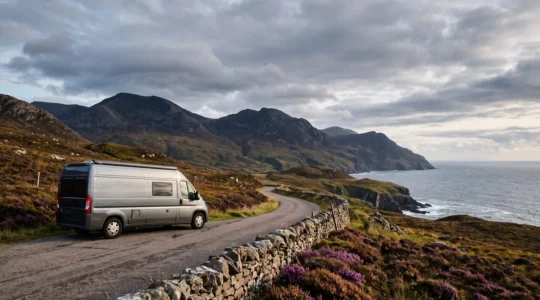
How to Rent a Campervan in the UK: An Insider’s Guide to Avoiding Overcharges and Bad Vans
The advertised daily rate for a campervan is the single biggest misdirection in the rental industry. Huge price gaps reflect operational models (Professional Fleet vs. Peer-to-Peer) and included support, not just profit. The biggest financial risk isn’t the rental fee,…
Lire la suite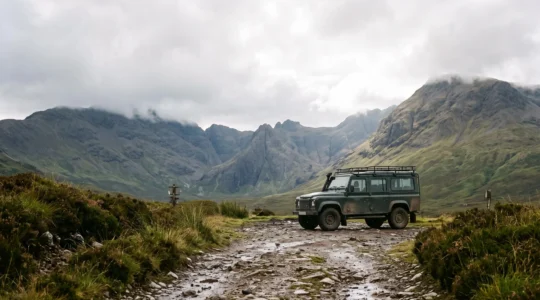
Which Vehicles Can Safely Access UK Mountain Trailheads on Rough Tracks?
The primary cause of vehicle damage on UK trailhead tracks is not a lack of a ‘4×4’, but a fundamental mismatch between a standard car’s ground clearance, tyres, and drivetrain and the specific hazards of unpaved rural lanes. Assessing a…
Lire la suite